Artemis II-ის მისიის ეკიპაჟი დედამიწაზე წარმატებით დაეშვა
ვოლოდიმირ ზელენსკი - ჯეი დი ვენსი და სხვა თანამდებობის პირები მოლაპარაკებებში რომ მონაწილეობდნენ, ალბათ, უფრო ღრმად გაერკვეოდნენ, რა არის “ნაკუწი” და რა არის უკრაინის ტერიტორია
კაია კალასი - უსამართლოა ევროპის დადანაშაულება, ევროპაში გვაქვს რუსეთის ომი, ნამდვილად არ გვინახავს სპარსეთის ყურის ქვეყნების დახმარება
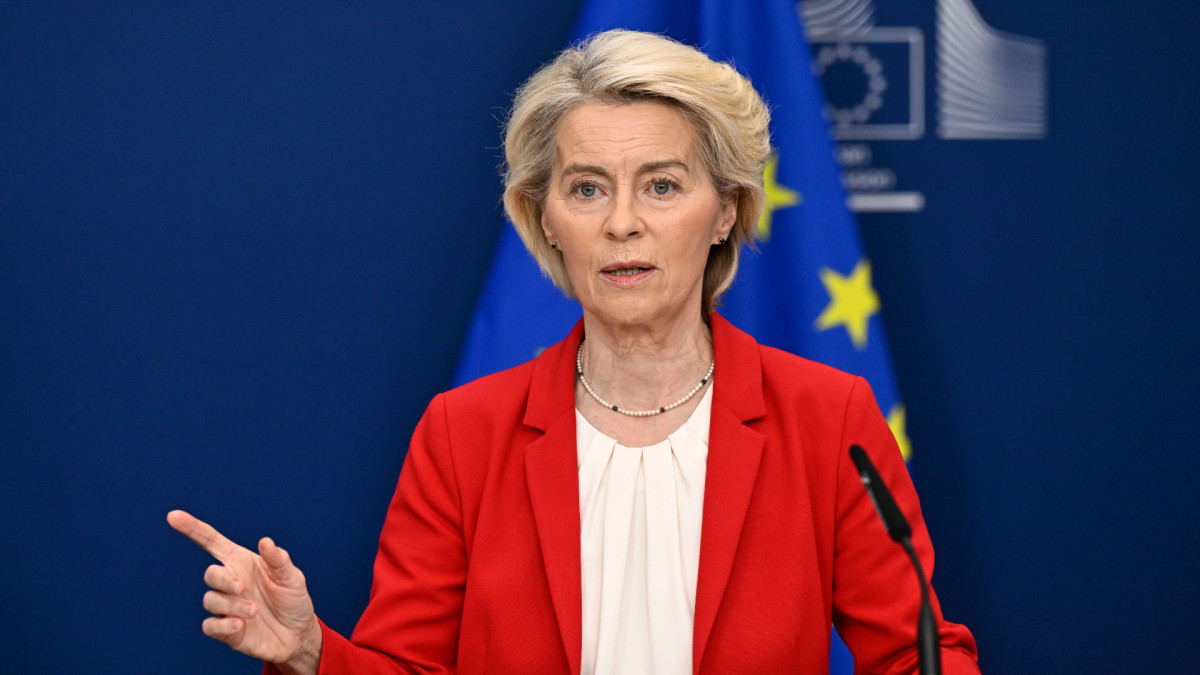
ურსულა ფონ დერ ლაიენი ლიდერების დონეზე წამოაყენებს უნგრეთსა და რუსეთს შორის შესაძლო კოორდინაციის საკითხს
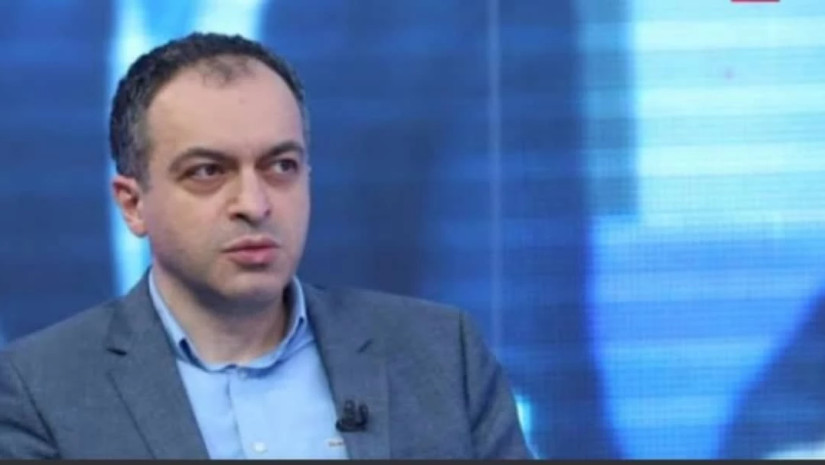
ირანის ელჩი - ანგარიშში, რომელსაც დღეს თეირანს წარვუდგენ, მომავალი ასდღიანი პერიოდისთვის საქართველოსთან თანამშრომლობისა და ურთიერთობების გზებს შევთავაზებ
9 აპრილის მემორიალთან ირაკლი კობახიძiს, შალვა პაპუაშვილის და მიხეილ ყაველაშვილის-გამოჩენას აქციის მონაწილეების მხრიდან შეძახილები მოჰყვა
ეკა კუპატაძე - მადლობა მოსამართლე რომეო ტყეშელაშვილს გიგა ავალიანის დედისგან - მე ღირსეული შვილი მომიკლეს
გიგა ავალიანის საქმის მოსამართლე - რაც მოვისმინეთ, მიუთითებს სისასტიკეზე, პროცესების განმავლობაში არ მოგვისმენია სინანული

Russian rocket puts two Iranian satellites into orbit

06.11.2024 ნახვები: 710

On the morning of November 5, Russia launched a Soyuz rocket carrying more than 50 satellites, two of which are Iranian.

This was reported by Reuters and relayed by Ukrinform.

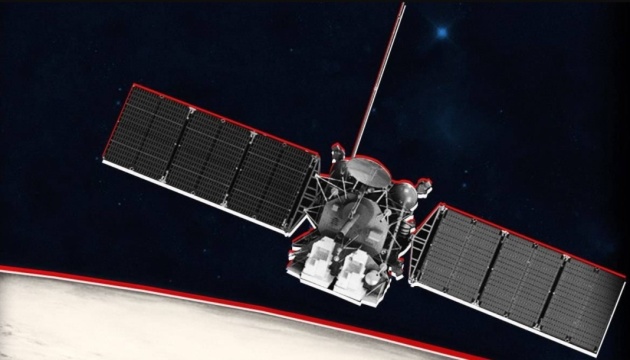
According to the Russian space agency Roscosmos, the Soyuz-2.1 launch spacecraft which lifted off from Vostochny Cosmodrome, carried two Ionosfera-M satellites into orbit. These satellites will be part of a space monitoring system for the Earth's ionosphere.

Each satellite weighs 430 kg and operates at an altitude of 820 km. Two more such devices are planned to be launched in 2025.

The Soyuz-2.1 also deployed 53 small satellites, including the two Iranian ones. One of them, Kowsar, is intended for high-resolution imaging, while the other, Hodhod, is a communication satellite. Additionally, the first Russian-Chinese student satellite, Druzhba ATURK, was launched.

Read also: EU extends sanctions against Iran for supplying missiles to Russia

In February, Russia launched an Iranian research satellite into space. According to Iranian media, it is designed to scan the country’s topography.

As Ukrinform reported, Russia sent Iranian satellites into orbit in February 2022. At that time, the United States expressed concern over the space cooperation between the two countries, fearing that the satellite would not only assist Russia in its war against Ukraine but also help Iran track potential military targets in Israel and throughout the Middle East.

ყველას ნახვა
ყველას ნახვა
ყველას ნახვა
ყველას ნახვა