According to Ukrinform, Reuters reported this.
Copenhagen Airport — the busiest in Northern Europe — was closed for several hours on Monday, September 22, as several large drones were seen in its airspace. Five smaller Danish airports, both civilian and military, were also temporarily closed in the following days.
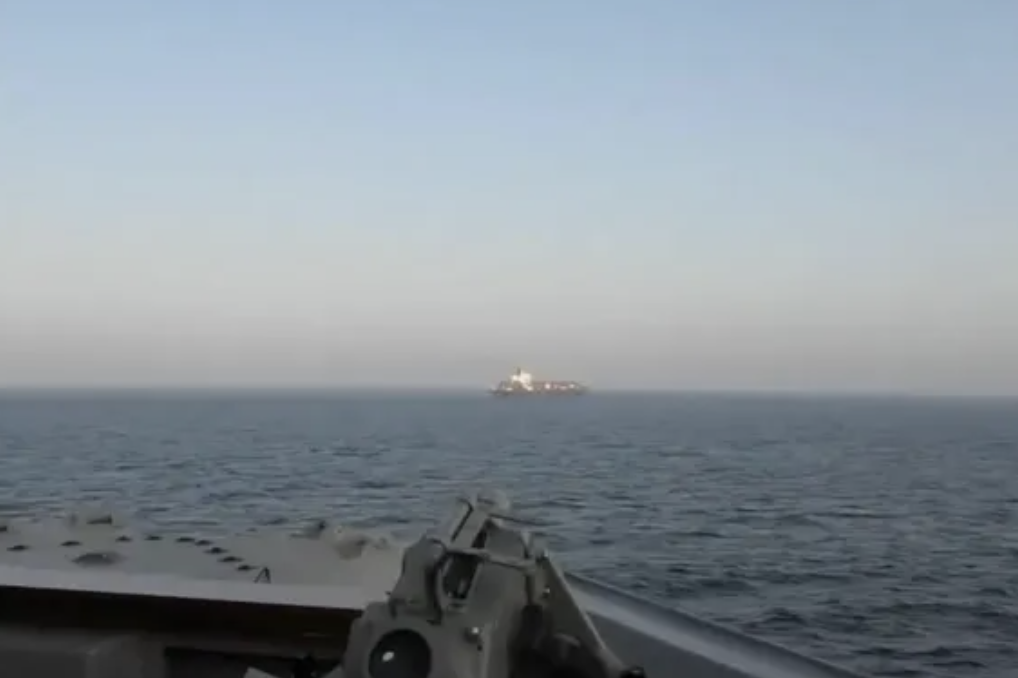
In response, NATO will “conduct even more enhanced vigilance with new multi-domain assets in the Baltic Sea region,” according to a statement sent to Reuters by email. The Alliance’s press service noted that the new assets included “intelligence, surveillance, and reconnaissance platforms and at least one air-defence frigate". A NATO spokesperson added that the Alliance would not disclose which countries were contributing the extra assets.
The new assets will strengthen NATO’s "Baltic Sentry" mission, launched in January in response to a series of incidents that damaged underwater electrical cables, telecommunications lines, and pipelines in the Baltic Sea. Under this mission, NATO countries deployed frigates, patrol aircraft, and maritime drones to help protect critical infrastructure.
This month, the Alliance also launched the “Eastern Sentry” mission to bolster defense of Europe’s eastern flank, following incursions of Russian drones into Polish airspace.
Read also: ISW expert warns: Kremlin testing NATO air defenses for future attackAs reported by Ukrinform, Western military cannot continue shooting down drones with expensive missiles, NATO Secretary General Mark Rutte said, adding that the Alliance is rapidly learning from Ukraine’s counter-drone experience and will deploy new technologies in the coming weeks.
Archive photo: NATO