That is according to Ukraine's Foreign Intelligence Service, Ukrinform reports.
According to analysts from the MacroBy initiative, Belarus's consolidated budget expenditures exceeded 30% of GDP for the first time since 2010, while the economy grew by only 1.3% – a result that in no way justifies such large-scale fiscal injections.
Tax revenues, which account for more than 80% of budget income, slightly declined – from nearly 25% of GDP in 2023-2024 to 24% in 2025 – due to reduced proceeds from foreign economic activity.
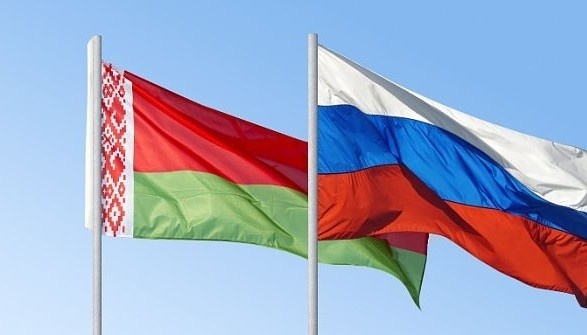
The shortfall was partially covered by non-tax revenues, primarily transfers from Russia, including compensation under the reverse excise scheme for Belarusian oil refineries. Their share reached 1.8% of GDP – a level last seen in 2018, when the "re-customs clearance" scheme for Russian oil was in effect.
Thus, Belarus's dependence on Russian transfers increased in 2025, the intelligence service said.
Read also: Kremlin plans to shift Russians' pension savings into state program – intelligenceThe main driver of expenditures was public sector wages, which rose by 18% in nominal terms and may have reached 10% of GDP – about one-third of total consolidated budget spending.
To cover the gap that could not be filled by taxes, the central bank purchased government bonds worth 2.3 billion rubles (about 0.8% of GDP), effectively engaging in monetary financing of the deficit.
"The situation will worsen. In 2026, analysts expect the deficit to grow to 1-1.5% of GDP: revenues will slow due to economic cooling, while expenditures will remain high. A certain buffer exists, but significantly increasing spending will no longer be possible," the Foreign Intelligence Service said.