ზელენსკი: აშშ უკრაინას სადაზვერვო ინფორმაციას კვლავ აწვდის, მათ შორის რუსეთის ბალისტიკური რაკეტების შესახებ ადრეული გაფრთხილების სისტემით
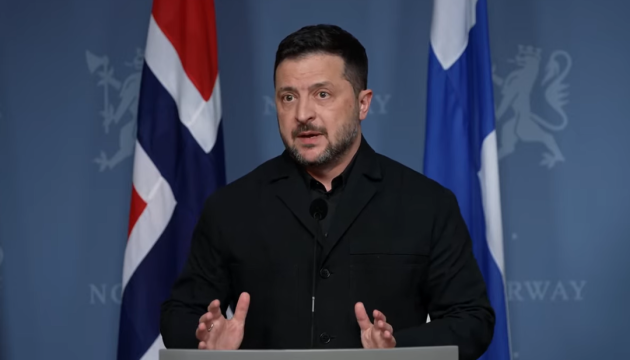
Ukraine is receiving U.S. intelligence, Zelensky says after meeting with Witkoff
კაია კალასი: ამერიკელი მომლაპარაკებლები წელიწად-ნახევარია უკრაინას კაპიტულაციისკენ უბიძგებენ, თუმცა ევროპა ამის საშუალებას არ აძლევს
დავით ნარმანია: ელექტროსისტემაში მომხდარი მასშტაბური ავარიის მიზეზების შესწავლა გრძელდება – დასკვნა საჯარო გახდება
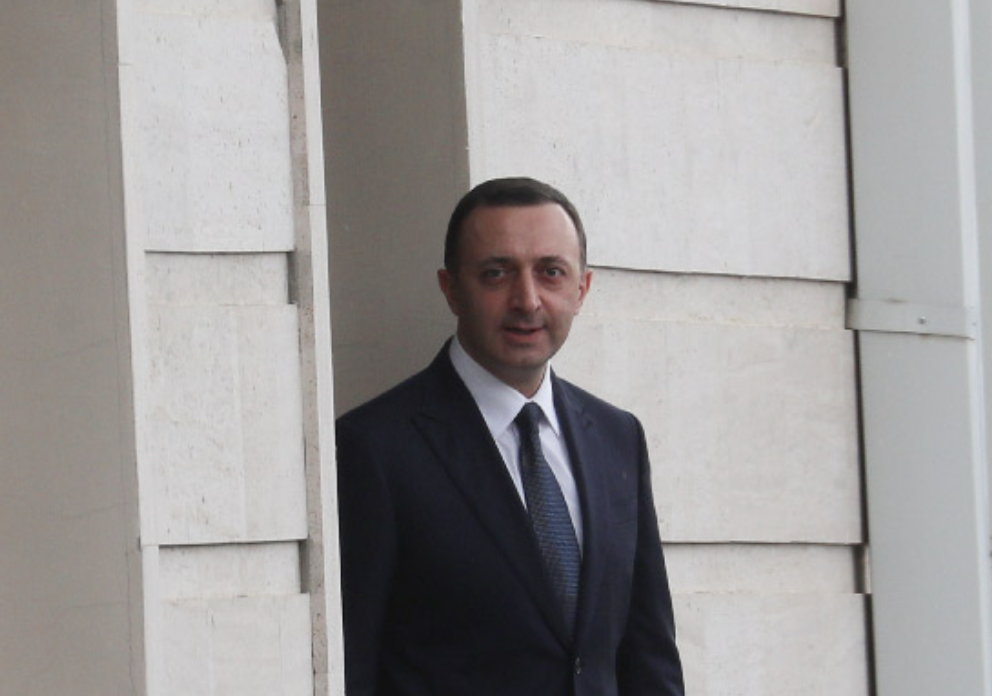
ირაკლი ღარიბაშვილი: ჩემ წინააღმდეგ მიმდინარე პოლიტიკური დევნა და ცილისწამება შეურაცხყოფაა ქვეყნისთვის, ხელისუფლებისა და მმართველი პარტიისთვის
დავით ფეიქრიშვილი თვითდაზიანებების შემდეგ კვლავ „ვივამედში“ გადაიყვანეს – ადვოკატი პატიმრებზე ძალადობაზე საუბრობს, პენიტენციური სამსახური ბრალდებას უარყოფს
ადვოკატი: გოგა ფეიქრიშვილმა ციხეში ვენები გადაიჭრა, დავით ფეიქრიშვილს კი ოთხი ნეკნი აქვს მოტეხილი – პატიმრების განცალკევებას ითხოვენ
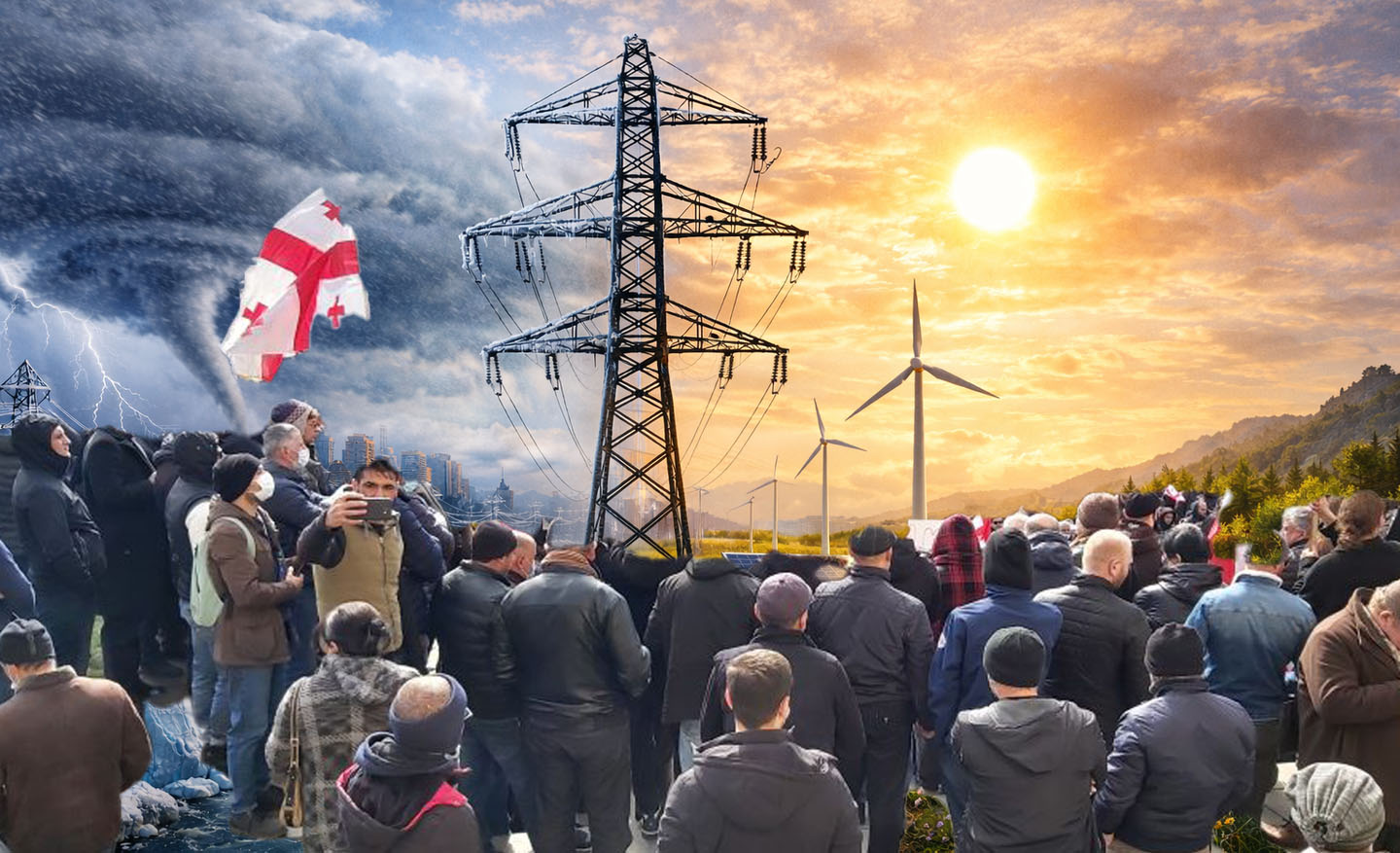
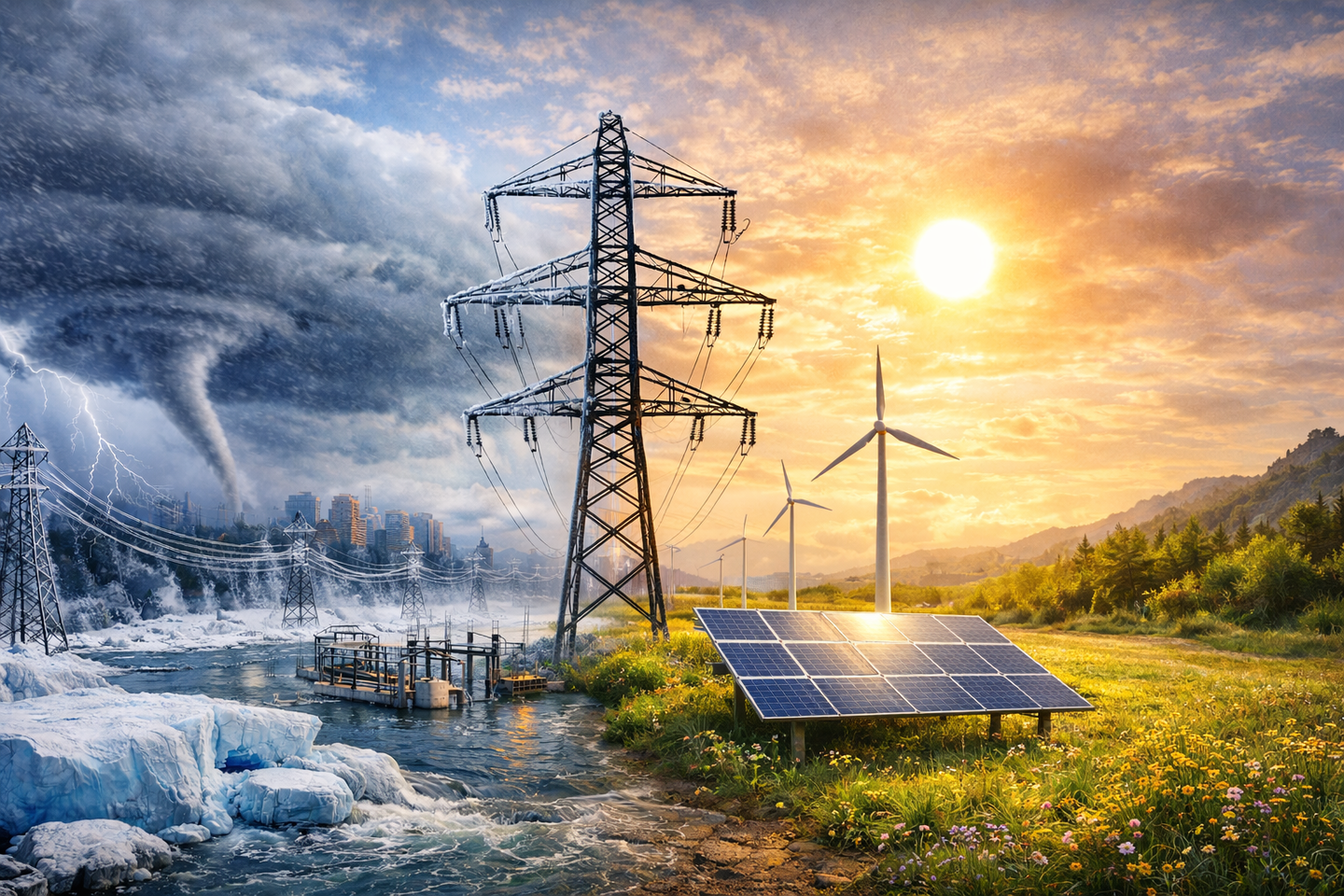
ვინ და რატომ ეწინააღმდეგება საქართველოს ენერგოდამოუკიდებლობას?

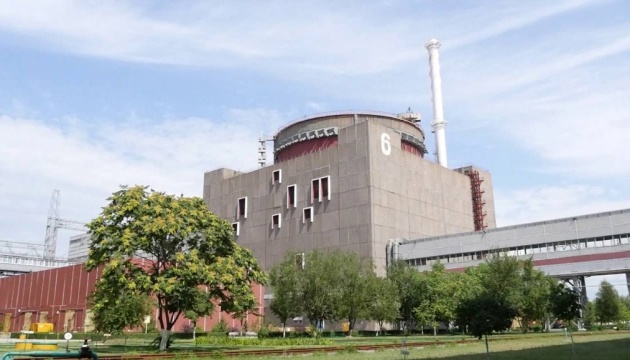
All reactors at Zaporizhzhia NPP in cold shutdown for first time since 2022 - IAEA

ნახვები: 316 All reactors at Zaporizhzhia NPP in cold shutdown for first time since 2022 - IAEA
All six reactor units of Ukraine's Zaporizhzhia Nuclear Power Plant (ZNPP) are now in cold shutdown for the first time since late 2022 after unit 4 reached this operational state early on Saturday, April 13.

IAEA Director General Rafael Mariano Grossi said this in a statement posted on the IAEA website, Ukrinform reports.

"The decision to have all six units in cold shutdown is positive in itself, as the cooling down of the reactor provides an additional buffer in case of an accident. But it doesn't address the fundamental issue of a recent sharp deterioration of the situation at the plant. Without a doubt, nuclear safety and security at this major nuclear facility remains very precarious," Grossi said.

In line with the ZNPP's plans, previously reported by the IAEA, the plant started transitioning unit 4 from hot to cold shutdown on Friday morning, a process that was completed at 07:30 on April 13.

When in cold shutdown, in case the heat removal is interrupted for any reason, there is an additional response margin of several days before the cooling of the nuclear fuel in the reactor might be challenged. The reactor also needs less cooling water than in hot shutdown, an issue that became more challenging after the destruction of the downstream Kakhovka dam in mid-2023.

ყველას ნახვა
ყველას ნახვა
ყველას ნახვა
ყველას ნახვა