According to Ukrinform, Yurii Ihnat, head of the Communications Department of the Ukrainian Air Force Command, reported this during a TV broadcast.
"From around 07:00 until 18:00, approximately 145 such drones were detected, about 70 of which were jet-powered — slightly less than half," Ihnat said.
According to him, as of 18:00, drones powered by internal combustion engines predominated in the skies.
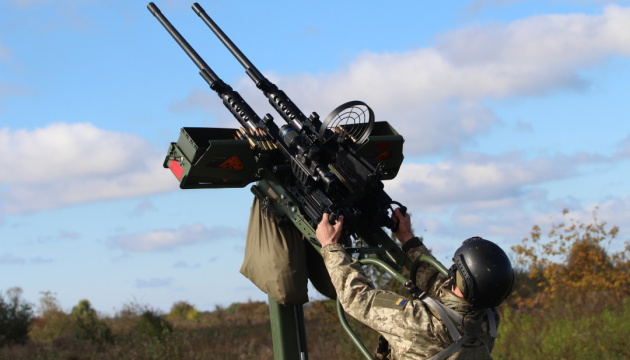
"As a result of combat operations, more than 100 UAVs that attacked during the day had already been shot down by 18:00," the Air Force spokesperson noted.
Ihnat emphasized that despite the high interception rate, even a small number of drones reaching their targets could cause significant damage.
Read also: UK to accelerate delivery of air defense systems to Ukraine – BurnhamAccording to him, Russian forces combine different types of drones and missiles in an attempt to complicate air defense operations. To alter the capabilities and flight range of jet-powered UAVs, Russian forces may adjust their fuel supplies and warheads or install additional equipment.
"The enemy is already experimenting with different configurations: whether to put more fuel into the same jet-powered UAV or install a larger warhead. They may also add other payloads, such as cameras, network transmitters, modems, and so on," Ihnat said.
He added that Ukrainian specialists were examining recovered drones to determine how Russian forces were managing to deploy them over long distances.
As Ukrinform previously reported, Ukrainian air defense forces neutralized four ballistic missiles and 115 drones used by Russian forces in attacks on Ukraine beginning on the evening of October 13.
Photo: Ukrainian Air Force