That is according to Politico, citing four sources with knowledge of the matter, Ukrinform reports.
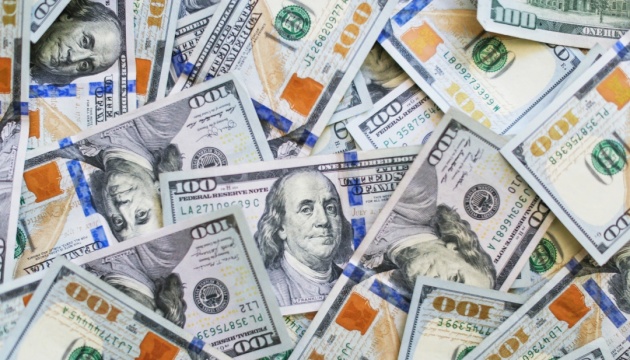
The goal is to generate more profits to help keep Ukraine's war-battered economy afloat amid U.S. President Donald Trump's threats to halt funding. However, the move would stop short of confiscating the Russian assets altogether — which is opposed by several EU states including Germany and Italy over financial and legal concerns.
EU officials are considering transferring the assets from Euroclear in Belgium to a "special purpose vehicle" under the EU's umbrella. The main advantage of creating the new fund quickly is that the assets could then be assigned to riskier investments capable of generating much higher returns for Ukraine. The officials did not say exactly what sort of investments these might be.
Read also: Canada provides $1.5B in military aid to Ukraine, expands sanctions against RussiaUnder its rules, Euroclear is obliged to invest the assets — many of which have now matured into liquid cash — with the Belgian central bank, which offers the lowest risk-free rate of return available.
By only spending the interest and leaving the underlying capital untouched, the EU hopes it can avoid accusations of breaching international law. Another potential advantage is that it could prove a useful shield against the risk that Hungary might veto the sanctions renewal and effectively hand back the money to Russia.
Over the past weeks, the European Commission held informal talks with a group of countries — including France, Germany, Italy and Estonia — to examine legal ways to keep the assets frozen if Hungary blocks the sanctions renewal, two officials with knowledge of proceedings said. But the working group did not devise a workaround to achieve this outcome.
Finance ministers from the EU's 27 countries will kickstart the discussions on how to meet Ukraine's financial needs in 2026 at an informal dinner in Luxembourg on Thursday. Poland, which currently holds the EU Council presidency and is hosting the dinner, also suggested that the EU's new defense loan scheme, SAFE, can be used by countries to buy weapons for Ukraine.
Critics of the new funding vehicle, however, warn that EU taxpayers will ultimately have to pay compensation for any unproductive investments that are made.
On June 13, Ukraine received an additional EUR 1 billion from the European Union sourced from revenues on frozen Russian assets.