







გოჩა მირცხულავა - ავტორიტარიზმის პირველი მსხვერპლი თავისუფლება კი არ არის - პირველი მსხვერპლი ემპათი
საქართველო-ირანის ურთიერთობები და საგარეო-პოლიტიკური ტენდენციები: ფაქტები, მოვლენები და ღია წყაროები
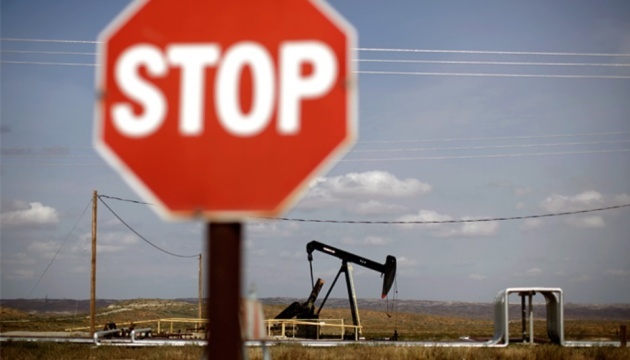
That's according to Wall Street Journal, an Ukrinform correspondent reports.
"The U.S. and its allies are preparing their next round of sanctions on Russia's oil industry, aiming to cap the sales prices of Russian exports of refined petroleum products in an expansion of novel penalties the West has imposed on the country's crude," the article reads.
It is stated that in meetings across Europe this week, Treasury officials are discussing the details of the coming sanctions on Russian oil products, which are set to go into effect February 5.
"The penalties will set two price limits on Russian refined products: one on high-value exports such as diesel and another on low-value ones such as fuel oil," WSJ said, referring to people familiar with the plans.
The new limits will follow moves last month by the U.S., European Union and their allies in the Group of Seven advanced democracies to cap the price of Russian crude exports at $60 a barrel. Those sanctions have had a relatively muted impact on global prices, encouraging Western officials who want to pressure Russia's budget while minimizing volatility in critical global energy markets.
გოჩა მირცხულავა - ავტორიტარიზმის პირველი მსხვერპლი თავისუფლება კი არ არის - პირველი მსხვერპლი ემპათი
საქართველო-ირანის ურთიერთობები და საგარეო-პოლიტიკური ტენდენციები: ფაქტები, მოვლენები და ღია წყაროები

გოჩა მირცხულავა: ეპისკოპოსებს თუ არ სურთ, რომ ხელისუფლების ინსტრუმენტები გახდნენ, მაშინ დამოუკიდებელ
გოჩა მირცხულავა: ოპოზიციიდან ზოგმა ივანიშვილთან პირდაპირ ითანამშრომლა, ზოგმა კი თავისი სასარგებლო იდ
გოჩა მირცხულავა - „ქართული ოცნების“ მცდელობები, მოჩვენებითად თუ საქმით დაანახონ დასავლეთს, რომ „ჩვენ