As reported by Ukrinform, the CCD shared this assessment on Telegram, citing findings by Sensity AI, which specializes in detecting deepfakes and AI-generated content.
Researchers identified more than 1,000 synthetic videos forming part of a so-called “narrative kill chain” – a modular system of information attacks tailored to different target audiences. Videos aimed at military personnel focus on themes such as the “futility of resistance,” the “collapse of the front,” and attempts to discredit military leadership.
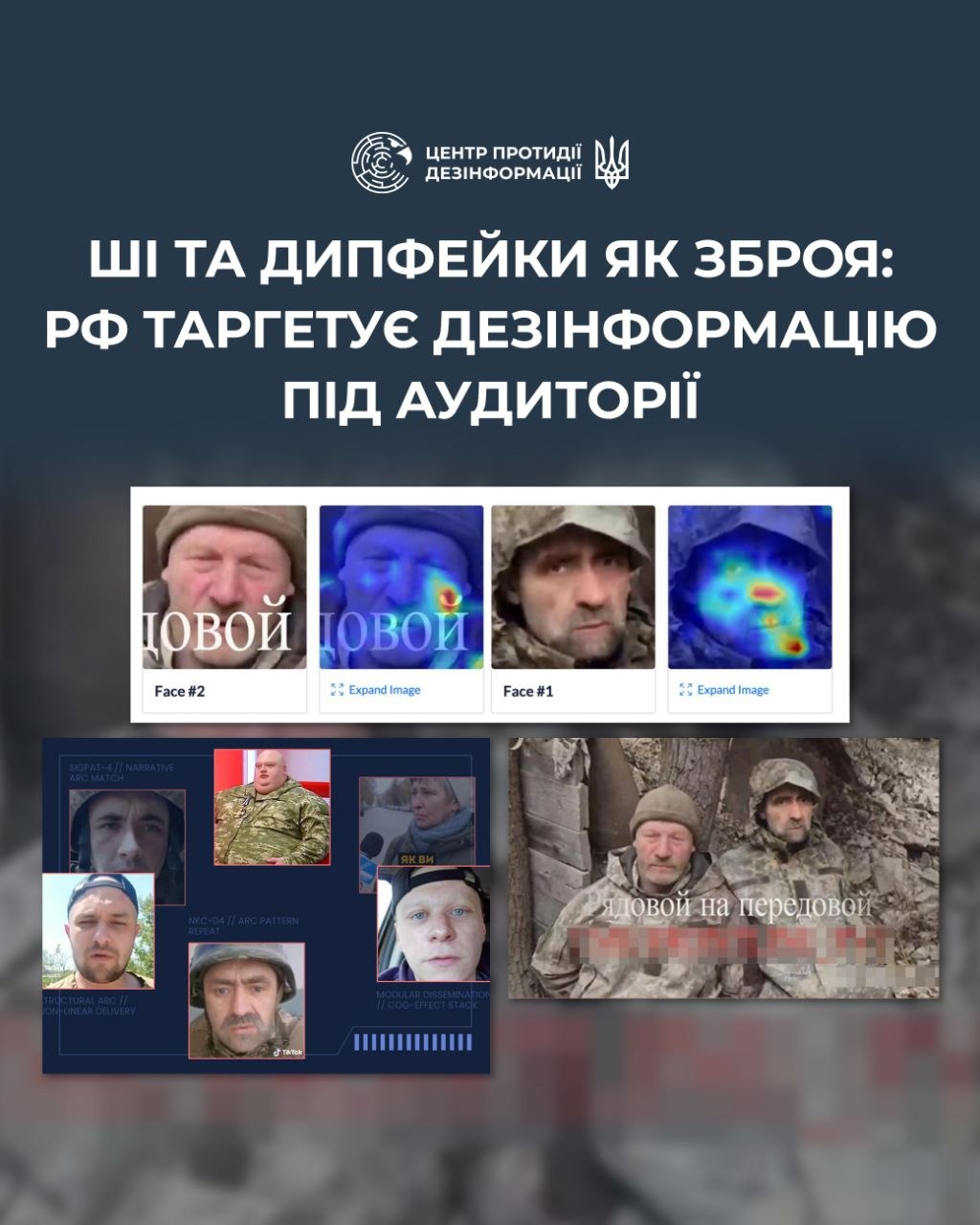
For civilians, these videos are designed to induce sustained emotional fatigue, encourage acceptance of Russian conditions, and undermine trust in institutions. The campaign also produces content targeting Western audiences, aiming to demonize Ukraine, discredit Ukrainian refugees, and promote narratives questioning the value of supporting Ukraine.
The CCD stressed that Russia’s ultimate goal is not merely to persuade audiences to believe specific messages, but to create a level of information chaos in which any truth can be dismissed as a “deepfake” or AI-generated fabrication. This enables the aggressor to evade accountability for real crimes by casting doubt on the authenticity of any evidence.
Read also: ‘World Parliament’ platform used by Russia to spread propaganda – Ukrainian Vice SpeakerAs Ukrinform previously reported, the hacker group Fancy Bear, linked to Russian military intelligence, has breached more than 280 email accounts, causing significant damage to government and military institutions in NATO and Balkan countries.
Photo: Unsplash